What is Cold Email Software? A 2026 Guide
Discover what cold email software is and how it can revolutionize your outreach strategy in 2026. Learn about top tools and future trends.
If you’re wondering what is cold email software, it’s a tool that automates and personalizes outbound emails to prospects, helping businesses manage large-scale outreach and lead generation. The best cold email software in 2026 not only sends emails in bulk but also tracks opens, manages follow-ups, and improves deliverability to boost your sales pipeline. Your outreach list keeps growing, your inbox is a mess, and no single person can keep up with all the follow-ups and personalization needed to get responses in a crowded market.
You're expected to deliver results—more demos, more clients, more closed deals—with the same or smaller team and tight resources. It’s easy to feel like you're just another name lost in someone else’s inbox, while competitors automate their way to larger wins. Doing everything manually isn’t just inefficient; it’s almost guaranteed to get you ignored or flagged as spam. Most founders and consultants use basic email tools, missing out on the power of specialized cold email software: advanced segmentation, automated scheduling, deliverability controls, and precise analytics.
The big shift? Cold email is no longer about sending more messages—it’s about sending smarter ones. The right platform can sort your leads, personalize messages at scale, and schedule perfectly timed touchpoints—all while avoiding spam traps. No more endless spreadsheets or browser extensions. Imagine freeing up hours each week, knowing your proposals and pitches land where they need to, at just the right time.
This guide breaks down why cold email software is essential for scaling sales and partnerships in 2026. Discover the practical workings behind modern cold outreach, the best tools on the market, and rethink how you approach prospecting—starting with the powerful "why" behind this new way of sending cold emails.
Why Cold Email Software is Essential in 2026
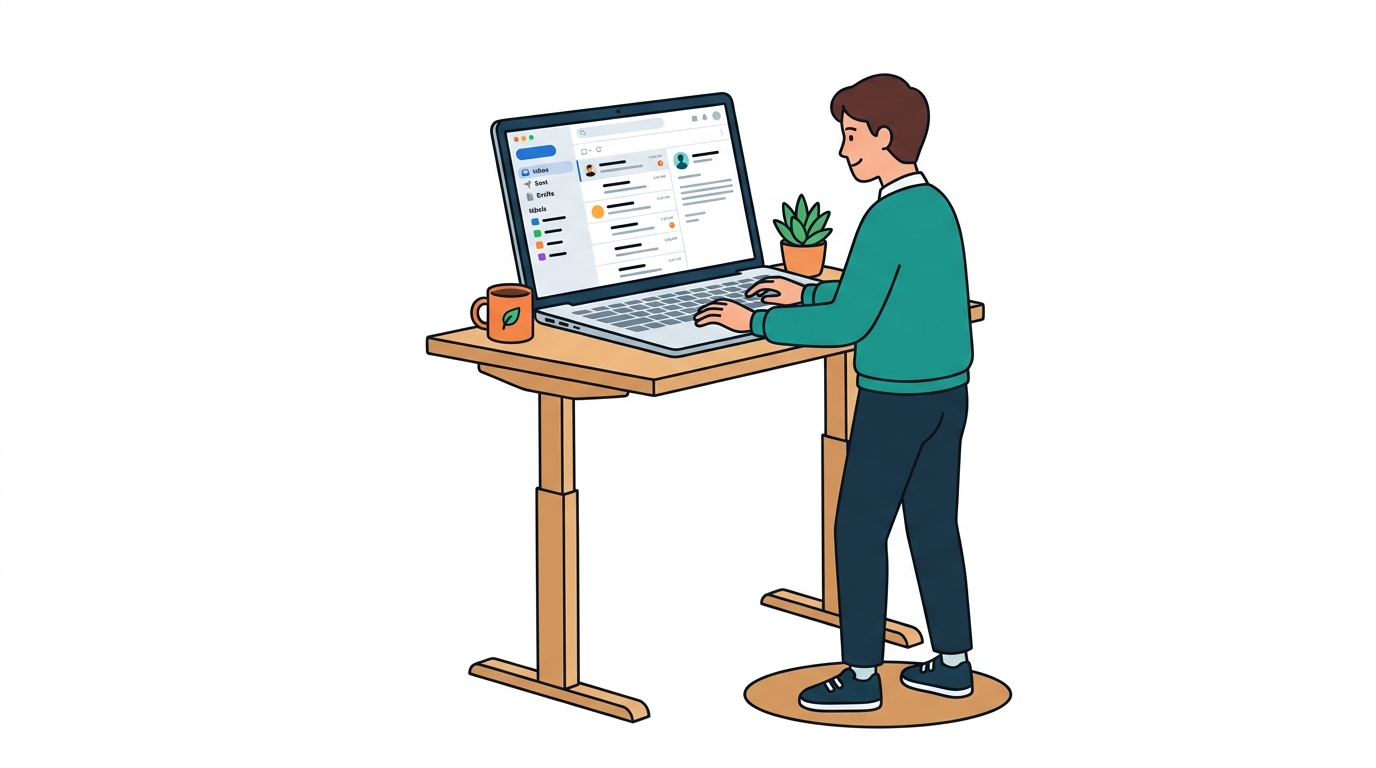
Cold email software is essential in 2026 for scaling outreach and generating leads without letting manual tasks eat your week alive. If you're still copy-pasting messages, tracking responses in spreadsheets, or manually following up, you're competing against teams armed with automation and AI. There's no contest.
What is cold email software and why does it matter now?
Cold email software automates, personalizes, and tracks outbound email campaigns aimed at prospects who don't know you yet. It transforms repetitive tasks into a data-driven, scalable workflow. You can send hundreds or thousands of targeted emails, personalize them using AI, and let the platform optimize send times and follow-ups automatically.
Manual cold outreach doesn’t cut it in 2026. The volume of noise in every inbox has exploded. The tools you’re up against can personalize at scale, segment by behavior, and adapt messaging in real-time. If you’re not automating, your emails are going straight to the digital graveyard.
How much time do you really waste doing outreach by hand?
Imagine spending hours each week sending nearly identical emails and tracking opens manually. Cold email platforms—like Saleshandy, Instantly, or Lemlist—can significantly reduce the time investment required for outreach. Outbound that would eat up two afternoons gets handled in the background while you build the business.
The results? Real teams move the needle
A SaaS team used to get lost in spreadsheets managing outreach. Once they switched to AI-powered cold emailing, they saw conversion rates improve just by personalizing every touch. That’s automation plus relevance at work. Personalization has become table stakes, and automation is how you deliver it.
An onboarding sequence that meant days of manual effort now lands in every prospect’s inbox—timed perfectly, with the right nudge if a reply doesn’t come in. Follow-ups aren’t forgotten or sent awkwardly late. Leads don’t slip through cracks because your system tracks opens, clicks, and replies in real-time.
Why 2026 is a turning point for cold email adoption
Many businesses are now getting more leads thanks to adopting cold email tools. You can A/B test messaging, iterate instantly, and steer campaigns based on concrete results.
As buyers become savvier and competition gets fiercer, “just send more emails” is a losing strategy unless you’ve got the right software stack. The brands winning in SaaS, consulting, and content creation are those investing in smarter outreach, not just more outreach. The gap between those using modern tools and those doing things by hand keeps growing.
Today’s action item: Audit your outreach process
Take a ruthless look at your current process:
- Are you manually sending or following up on cold emails?
- Is your tracking system a web of spreadsheets and calendar reminders?
- Are you stuck sending generic, one-size-fits-all messages?
If you check any of those boxes, it’s time to explore automation. Even automating just a slice of your process—sequencing, reply detection, or personalized intro lines—will win back hours and surface leads you’re currently missing.
Key takeaway: Cold email software in 2026 isn’t a “nice to have”—it’s a force multiplier that moves you out of survival mode and into a growth engine, letting you scale lead generation while keeping your outreach sharp, targeted, and human.
For a deeper dive into the best options this year and how top tools stack up, see a review covering top cold email platforms.
How Does Cold Email Software Work?

Picture this: a founder is burning hours sifting through spreadsheets, manually pasting email templates, double-checking every contact, and wrangling a calendar just to follow up at the “perfect” time. Meanwhile, hot leads slip through the cracks and time that should go to closing deals gets swallowed by admin chaos.
Everything changes the moment cold email software enters the scene.
What Does Cold Email Software Actually Do?
Cold email software automates your outreach, tracks engagement in real time, and optimizes delivery to boost responses—all without the need for manual juggling. Busy founders, ghostwriters, and agencies wake up to inboxes filled with new replies, not “missed opportunity” notifications.
The nuts and bolts look like this:
- Automated Sending: Upload a list, schedule your campaign, and let the platform do the heavy lifting.
- Personalization at Scale: Use merge tags or AI-powered dynamic fields to make every email feel custom, even when you’re sending hundreds or thousands a week.
- Tracking and Analytics: Instantly see who opened, clicked, replied, or unsubscribed—no more guessing which subject line landed best. For detailed strategies on monitoring recipient engagement, learning about how to track cold email opens and clicks can be invaluable.
- Deliverability Optimization: Tools like Instantly.ai now use AI to predict not just the best day, but the best moment to send for each contact, so your emails don’t wind up buried or sent straight to spam.
- CRM Integration: No toggling between systems; the best options sync new leads, bounces, replies, and scheduled tasks directly to your pipeline, so you never lose track of a hot prospect.
A Real-World Shift: Manual Outreach vs. Automation
Take a sales manager overseeing 2,000 prospects. Before software, every follow-up required mental gymnastics and post-it note reminders. Results? Missed follow-ups, repeated messages, endless copy-paste mistakes, and a feeling of drowning before lunch.
With automation, those same prospects are touched reliably, on time, and with tailored content that changes based on their engagement history. The manager can now focus on conversations, not admin. An hour that used to net 10 semi-personalized emails shifts to hundreds of truly tailored sends with clear analytics. Suddenly, outreach isn’t just faster—it’s smarter.
Key Functions to Look For
Cold email software worth your budget should always offer:
- Bulk Email Scheduling — Set up once, let the campaign run hands-free. To master this, you can explore guides on how to automate cold email campaigns.
- A/B Testing — Test subject lines or body copy to see what actually earns replies.
- Automatic Follow-Ups — Never forget to nudge warm leads again.
- Inbox Rotation — Avoid deliverability killers by spreading campaigns across multiple email accounts.
- Real-Time Tracking — You’ll know within minutes if your messaging is working, instead of waiting days.
Key takeaway: Cold email software isn’t just about sending more emails—it's about sending smarter, tracking real engagement, and integrating with the tools you already use. It’s the missing lever for founders and agencies who want to actually scale their pipeline, not just their workload.
Curious how specific platforms stack up? Saleshandy, Instantly.ai, and Lemlist regularly top “best-of” lists for their advanced automation and tracking. Some lean hard into programmatic outreach (Saleshandy), others push AI timing (Instantly.ai), while Lemlist stands out for visual personalization and deliverability controls—as this review breaks down.
Switching from manual to automated cold email campaigns isn’t optional anymore—it’s essential if you expect to compete in SaaS, consulting, or content creation.
What Are the Best Cold Email Software Options in 2026?
Most founders and indie hackers assume all cold email tools do the same thing: fire off a big batch of mail merges and hope someone bites. That’s a huge misunderstanding. The best cold email software in 2026 isn’t built for spam — it’s engineered for the delicate art of real, scalable human outreach. The top players? They practically act as an extension of your sales (or ghostwriting, or consulting) brain.
Here’s the reality: Cold email platforms have grown into holistic outreach hubs. They don’t just schedule emails and track opens — they handle technical pitfalls (like deliverability), automate personalized flows, and let you experiment with creative strategies that used to take hours.
How Top Cold Email Tools Actually Work
What sets elite options like Saleshandy, Lemlist, and Amplemarket apart is how they blend advanced automation with sharp personalization. These are not “set it and forget it” batch senders. Imagine being able to:
- Queue up hundreds of highly customized emails — each timed for the recipient’s local morning and peppered with details scraped from their latest LinkedIn post.
- Automatically pause sequences if someone replies or unsubscribes, without you lifting a finger.
- Run A/B tests on subject lines or CTAs, then let the platform optimize for what actually lands you replies.
And because email outreach is way more than hitting “send,” tools are constantly improving how they help you manage campaigns, keep out of spam folders, and avoid annoying the very people you’re hoping to work with.
Why Saleshandy Remains a Favorite for High-Volume Outreach
Saleshandy is the platform growth-focused teams end up sticking with, especially if you care about volume and reliability. Their AI-powered sending engine scales to agency-size lists, adapts daily send limits to protect deliverability, and skips the fussy setup headaches that trip up most alternatives. Review after review points to the same thing: high deliverability, even as your output grows, thanks to continual infrastructure improvements (source).
Where Saleshandy really shines is in smart automation for large-scale outreach. Agencies and SaaS teams juggling multiple projects can spin up segmented campaigns fast, then loop in analytics, follow-ups, and AI cues for responding or personalizing messages. You don’t have to micromanage — the tool makes thousands of contacts feel like individually crafted messages.
Lemlist’s Edge: Personalization at Scale
If creative campaigns are your bread and butter, Lemlist is the platform that gets practitioners talking. Lemlist’s calling card is image and video personalization — dropping a recipient’s name on a coffee mug or customizing a GIF right in the email. That’s not just a gimmick; authentic creative touches cut through crowded inboxes. Especially for indie hackers and ghostwriters, those micro-engagements turn cold outreach into warm prospects.
Lemlist’s workflow goes beyond templates. Users chain together multi-step threads tailored to recipient behavior, making each interaction feel alive instead of robotic (discover more). The tool also goes deep on analytics, showing exactly which steps win replies and where you’re losing people.
Amplemarket: Feature-Rich and Backed by Stellar Ratings
Amplemarket has quietly built a reputation for being one of the most comprehensive cold email toolkits out there, racking up a 94.8% satisfaction score from its users in 2026 (see details). It’s not just about cold email — Amplemarket bundles in advanced lead sourcing, an AI-powered writing assistant, multi-channel sequencing, and deep analytics.
The platform suits founders who want everything in one place: prospecting, enrichment, outreach, and performance optimization without juggling five or six point tools. For consulting shops and ambitious creators moving up-market, that means you spend time building relationships instead of patching together workflows.
What You Actually Get (and Where They Fall Short)
No tool is perfect. Saleshandy’s no-nonsense interface can feel a bit utilitarian if you love a more visual pipeline. Lemlist’s creative tools can overcomplicate simple campaigns if your targets just need a straight pitch. Amplemarket’s “everything suite” is fantastic — but can overwhelm teams new to a multi-touch approach.
Here’s the key takeaway: The best cold email software isn’t about feature checklists — it’s about fit for your workflow, scale, and personality as a brand.
One interesting crossover trend: even platforms from “outside” the email outreach world — like Replyburst, which focuses on AI-powered social engagement — are adding human-like scheduling and behavior-based timing to help bridge cold email and social selling. That tells you where outreach is headed: true automation with a human touch, no matter the channel.
Founders, consultants, ghostwriters — don’t just grab the flashiest tool. Think about how you want to reach people, what level of automation you trust, and how much creative personalization you need. The right choice goes far beyond the “send” button.
Case Study: Scaling Outreach with Cold Email Software
The right cold email software can make or break your outreach ambitions. Take a consulting firm drowning in spreadsheets and lost prospects: they switched to Saleshandy and significantly ramped up their outreach in just six months.
That’s not hype — that’s what happens when you bring actual automation, analytics, and smart targeting into your sales process. Saleshandy’s approach removed the grunt work, letting the team focus on valuable conversations rather than endless manual follow-ups. As a result, the firm landed more clients, thanks largely to built-in automated follow-ups that just work.
How did they pull it off — and what can you replicate?
Most teams run into the same brick wall: one person can only send and track so many emails before the sheer volume destroys consistency. Missed follow-ups? Lost leads? That was routine before switching. With a cold email platform designed for scale, every lead got nurtured, not just the hottest prospects. When automation handles reminders and stages, nobody slips through.
But here’s what really moved the needle: Saleshandy’s analytics dashboard. You’re not just spraying messages into the void — you’re measuring what lands and what doesn’t. The firm dove deep into which subject lines and copy got actual opens and replies. Adjust, iterate, win. In concrete terms, this focus on data-driven refinement notched up reply rates, as confirmed by Saleshandy’s case studies. That’s what targeted optimization looks like.
A key tactic: A/B testing. This is where you stop guessing and start knowing. The consulting firm ran controlled experiments on their email copy — one version with a light-touch opener, another direct and urgent. You do this at scale, watch which group bites, then standardize on what works. Simple, non-negotiable if you want predictable growth.
There’s no magic button, but committed use of analytics-backed cold email software transforms outreach from a blind numbers game into a repeatable client engine.
Side-by-Side: Comparing Top Cold Email Tools
Cold email platforms aren’t one-size-fits-all. Some, like Saleshandy, nail the essentials for high-volume prospecting. Others focus more on integrations or niche use-cases. Here’s a snapshot of how several leading options stack up for growth-focused agencies and teams:
| Feature | Saleshandy | Instantly.ai | Lemlist | Replyburst |
|---|---|---|---|---|
| Automated Follow-Ups | Yes | Yes | Yes | — |
| Analytics Dashboard | Yes | Yes | Yes | — |
| A/B Testing | Yes | Yes | Yes | — |
| Multi-Account Support | Yes | Yes | Yes | Yes |
| Human-like Scheduling | — | — | Yes | Yes |
| AI Personalization | Yes | Yes | Yes | Yes (posts, not email) |
| Core Use Case | Cold Email | Cold Email | Cold Email | Social engagement for X |
Replyburst — while not a cold email solution, does support multi-account management and human-like scheduling for X (formerly Twitter), making it powerful for founders or agencies running parallel growth strategies across multiple channels.
The bottom line? If you want optimized cold outreach that scales, Saleshandy’s numbers make a compelling case, especially for consultancies and agencies looking to systematize client acquisition. Still, it’s crucial to test multiple platforms and dial in your process — the best results start with relentless testing and a tool that fits your real workflow.
For anyone building outreach at scale in 2026, you’ll get further with software that doesn’t just send more, but sends smarter. If your brand’s voice also matters on social, consider using a platform like [Replyburst] for digital engagement while your cold email software handles sales prospecting. Each channel has its strengths, and together, they become a formidable new business pipeline.
For more on optimizing your workflow, look to a breakdown of 2026's best cold email platforms — the evidence is undeniable when you compare feature-by-feature.
Choosing the Right Cold Email Software for Your Business
Picture a mid-sized SaaS company stuck in neutral, relying on dozens of manual emails each week just to kick off a few conversations. Outreach felt like paddling a leaky boat—slow, repetitive, and easy to lose track of details. Fast forward six months after adopting AI-powered cold email software, and that same team is orchestrating campaigns to thousands of prospects, personalizing at scale and watching qualified leads triple. The shift isn't just about bigger numbers—it's a transformation in confidence, process, and speed.
How do you pick a cold email platform that fits?
To choose the best cold email tool, focus on three pillars: scalability, integration, and user experience. Start by sizing up your business and goals. Are you a solo consultant aiming for a handful of high-value clients each month, or a growing tech team planning thousands of outreach attempts each quarter? Smaller operations get by with lightweight platforms, but scale-hungry teams need automated tools designed for high-volume dispatch and inbox management.
Next, consider how your outreach tool plays with the rest of your stack. Integrations aren’t a luxury—CRMs, lead enrichment tools, and social platforms should connect directly to your email software. The days of downloading CSVs, manually updating spreadsheets, or double-checking disconnected databases are over. When your software syncs with platforms like HubSpot and Salesforce, you cut out hours of grunt work and slash the risk of embarrassing blunders.
Does it scale—and will it keep your team sane?
Not every tool scales gracefully. Tons of founders and indie hackers get burned by software that works fine at 50 emails, but collapses into chaos at 500 or 5,000. You want features like automated warm-up, reply handling, scheduling logic, and inbox rotation built in from the start. If your team grows or your pipeline surges, your outreach shouldn't buckle under pressure. Look for platforms where upgrading or adjusting volume doesn’t mean retraining your whole team or redoing processes from scratch.
Why ease of use trumps niche features every time
It's tempting to get suckered into complex feature sets—A/B testing, advanced deliverability, multi-channel sequencing—before you even know if your team can use the core workflow efficiently. Here’s the truth: if your SDRs dread logging in, none of those features matter. The best email software makes scheduling, list-building, and copy personalization ridiculously simple. Clean dashboards and intuitive contact management aren’t buzzwords—they’re the baseline for any tool that’ll see real daily use.
Support, transparency, and updates—don’t overlook the boring stuff
Finally, customer support and product updates are the unsung heroes. Even the best email platforms run into snags: Gmail blocks, inbox authentication headaches, API changes. Responsive customer support means questions get answered quickly, so you can keep campaigns running instead of losing days in a support queue. Look at the tool’s release notes and customer forums—are improvements and bug fixes constant, or does the roadmap look abandoned?
Key takeaway: The right cold email software isn’t just about sending more emails—it's about automating outreach without risking your reputation or creating bottlenecks. Identify your core needs upfront: team size, integrations, and UX. Then pick the platform that’ll let you scale up and still sound like a real human every time.
For a deeper dive into how top cold email tools compare in real-world scenarios, this review from amplemarket.com breaks down what actually works for teams scaling from solo to hundreds of users. Don’t make it about feature checklists—make it about fit. That’s the move founders and growing teams never regret.
The Future of Cold Email Software: Trends to Watch
Predictive analytics is set to become a make-or-break feature for cold email software, shaping which campaigns turn leads into clients and which ones fizzle out. If you’re still guessing when and how to send outreach — or relying on vanilla mail merges — your results will never keep up with what AI-driven tools are about to deliver.
What Trends Are Set to Reshape Cold Email in 2027?
Let’s be blunt: manually crafted, spray-and-pray emails aren’t scalable. Not when the best teams are already automating hyper-personalized, multi-touch sequences. Here’s what’s bubbling to the surface now, and where cold email software is heading next:
1. AI-Driven Personalization Gets Smarter
AI won’t just swap in first names or job titles. Upcoming platforms will analyze signals from past interactions, social posts, and previous replies to craft messages that sound like you actually researched the person. This upgrades your hit rate and keeps responses high, even as inboxes get more crowded.
2. Multichannel Outreach: Email Joins Social and Beyond
Expect tight integration with platforms like X (formerly Twitter), LinkedIn, and even direct messaging. Modern sales teams already know that cold email alone isn’t enough; the most effective tools now trigger follow-ups across email and social, making it much harder for prospects to ignore you. You might push an intro on X, then hit their inbox, and follow up with a custom reply later — all from one dashboard.
3. Predictive Analytics for Campaign Optimization
The latest platforms crunch open rates, reply times, and even language patterns, suggesting exactly when to send and how to tweak the message for better engagement. Instead of guessing, you iterate based on real data — the difference between busywork and deal flow. best email outreach tools
Which Cold Email Tools Are Already Moving on These Trends?
If you haven’t picked a solution yet, here’s how some of the leaders stack up when it comes to AI, multichannel, and predictive features. And yes, even niche social-first tools like Replyburst squeeze their way onto this future-facing shortlist:
| Platform | AI Personalization | Social Integration | Predictive Analytics | Multi-Account Support |
|---|---|---|---|---|
| Saleshandy | Yes | No | Yes | Yes |
| Instantly | Yes | No | Yes | Yes |
| Lemlist | Yes | X, LinkedIn | Yes | Yes |
| Amplemarket | Yes | Yes | Yes | |
| Replyburst | — | X ONLY | — | Yes |
Replyburst is focused specifically on automating social outreach on X, making it a lighter fit for creators and indie teams who want their first step to be a public hello or thread reply — not a clog in someone’s email inbox.
How Can You Stay Ahead of the Curve?
Don’t just trust that the tool you pick today will keep you competitive next quarter. Practical, non-obvious steps for founders and B2B operators:
- Audit your current campaign results monthly. Compare analytics side-by-side and don’t be precious with underperformers.
- Invest in platforms that push updates regularly. If a tool hasn’t shipped a real feature in months, skip it.
- Sync your CRM and outreach tools. Too many businesses skip this, then scramble to patch together reports or chase leads that drop through the cracks.
- Experiment beyond email. Prospects spot standard cold email templates from a mile away; a well-timed DM or social mention can warm up outreach before the real pitch lands.
- Read industry blogs and software changelogs. Knowing what Saleshandy or Lemlist is working on helps you anticipate shifts instead of reacting after your old workflow stops working.
Key takeaway: The winners in 2027’s outreach game will use platforms that blend AI-driven content, social channel triggers, and real-time, data-backed optimization. Guesswork will be the first thing to go out the window.
Don’t wait for the new trends to become table stakes. The best results always go to those paying close attention — and taking action before everyone else catches on.
Take Outreach to the Next Level
Ready to supercharge your outreach in 2026? The key is finding cold email software that aligns with your goals and integrates seamlessly into your workflow. Start by mapping out your desired outcomes—whether it's boosting lead generation, nurturing prospects, or scaling campaigns—and let those priorities guide your software selection. Look for solutions that offer automation, personalization, and robust analytics to keep you ahead of the competition. Tools like Replyburst can streamline your engagement strategies, especially when you’re managing multiple channels and voices. The future of cold email isn’t just about sending messages; it’s about building authentic, scalable conversations that drive real results. Make your next move count—your future clients are only an email away.