How to Manage Cold Email Campaigns: A Comprehensive Guide
Learn how to manage cold email campaigns effectively with this comprehensive guide. Discover tools, strategies, and trends for 2026.
Mastering Cold Email Campaigns: How to Manage Cold Email Campaigns Effectively
Managing cold email campaigns effectively can mean the difference between a pipeline full of qualified leads and a digital junk drawer of ignored messages. Success hinges on organizing contact lists, automating outreach, tracking engagement, and constantly improving your approach. Every email should move you closer to real conversations—not just higher open rates.
You know the frustration: hours spent building a list, perfecting email copy, and hitting send, only to watch your campaign fizzle out. Silence, a trickle of unsubscribes, maybe a spam complaint or two. Then comes the second-guessing: Was your follow-up timing off? Did you sound too pushy, too bland, too robotic? Many trying to scale outreach juggle manual spreadsheets and patchy tools, worrying their messages slip through cracks or end up in spam folders.
Here's the truth: managing cold email campaigns isn't just about sending more emails faster. It's about building a reliable, repeatable system that earns replies from the right people without overwhelming your workload or burning out your domain. Successful founders, consultants, and ghostwriters treat cold email as a measurable process, not a one-off hustle. It's precision, not guesswork.
This guide will help you rethink cold outreach from the ground up. Discover why most campaigns fizzle before they start, how to write messages that get answered, and which tools can automate (not complicate) your workflow. Learn from those who've done it right and find concrete ways to fix what's not working. Turn cold email from a stress-inducing chore into a true growth engine.
Why Cold Email Campaigns Fail: Common Pitfalls
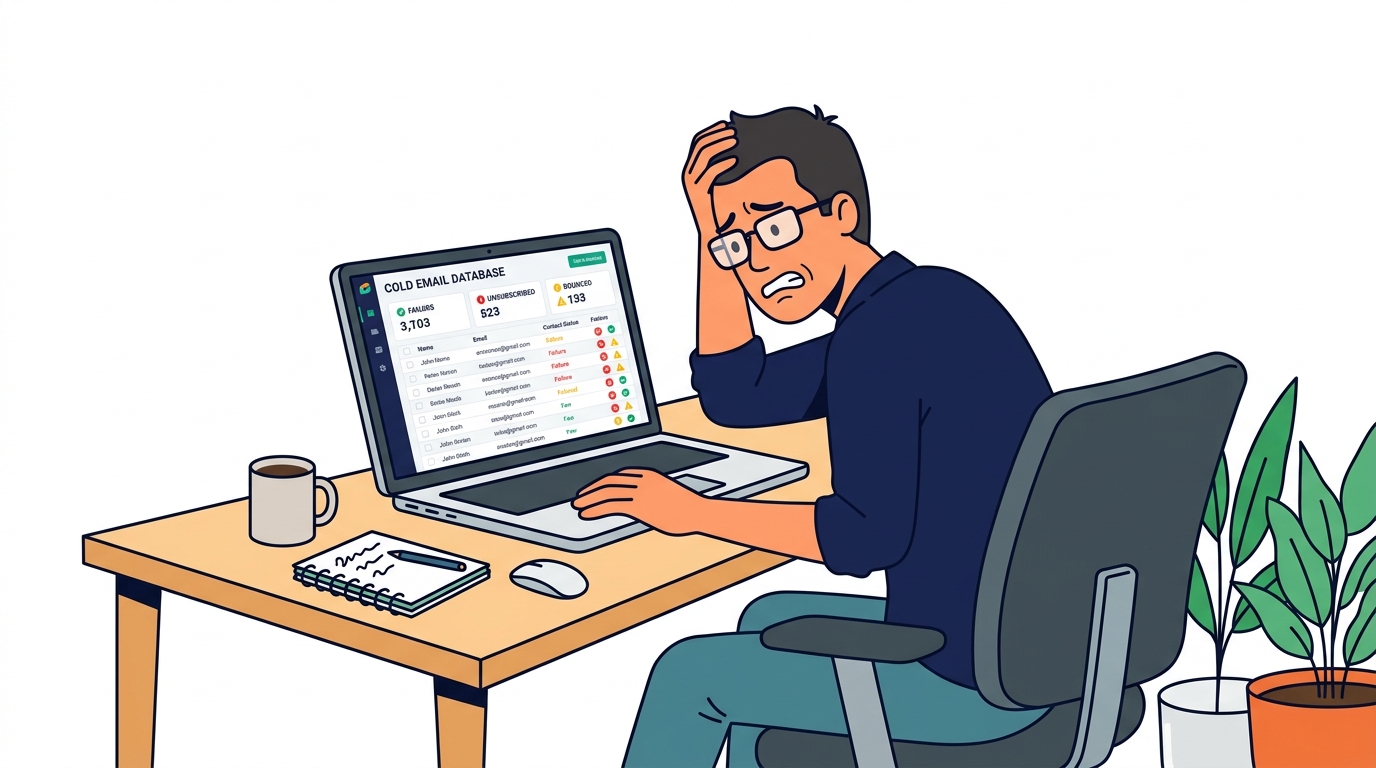
Over half of cold emails are never opened. The real killers? Bland subject lines, zero genuine personalization, and emails that might as well be written by a robot—plus a lack of testing. Fixing these is step one in managing cold email campaigns the right way.
Why Do So Many Cold Emails Get Ignored?
Nobody gets excited about another “Quick Question” or “Can I steal 5 minutes?” subject line. Inboxes are flooded—especially for SaaS founders or consultants, who see an average of 84 emails a day. Unless you stand out, you’ll get buried. Many cold emails end up unread, mostly because the subject line flops.https://copyhackers.com/2017/09/cold-emails/)).
Sometimes a minor tweak changes everything. A real campaign swapped generic “Just Reaching Out” with “Quick question about [company’s new product launch]”—the open rate increased. Specificity wins.
Personalization Isn’t Optional—But There’s a Catch
Lazy mail merge personalization won't cut it. The real magic is in connecting your offer to their actual world—a current initiative, a new partnership, something that shows you’re genuinely paying attention.
“So, wait, you’re saying my cold email shouldn’t be personalized?”
No, it should be—but not the cookie-cutter way. Frame your message like a copywriter. Tie your ask to something they’d care about, not just their name and company.
A/B Testing: The Shortcut Most Teams Ignore
Stop guessing. Test your subject lines. You don’t need 10,000 emails to run a meaningful test. Even a batch of 200 can show which variant gets traction. Most teams skip this because they’re “too busy,” but that’s a huge mistake—testing is how you learn what actually grabs attention. Once you’ve found something that works, then, and only then, is it worth templatizing (cold email strategy what actually works).
Table: Common Cold Email Pitfalls and Real Solutions
| Pitfall | What Happens | Real-World Solution |
|---|---|---|
| Poor subject lines | Low open rates | A/B test with specifics and curiosity hooks |
| Zero real personalization | Instant delete | Reference a live project or business goal |
| “Spray and pray” generic copy | Marked as spam or ignored | Research and customize relevance |
| Never testing or iterating | Stagnant poor results | Test one variable at a time; keep learning |
| Over-relying on templates too early | Stops working fast | Template only proven, tested winners |
| Software that sends generic mass emails | Brand damage, unsubscribes | Use nuanced scheduling and relevance |
What Actually Works—in Practice
- Change subject lines based on their latest public milestones.
- Embed just enough context to prove you aren’t guessing.
- Run at least two subject variations on your next batch.
- Don’t template everything until real data suggests it’s a winner.
Ignore these basics, and you’ll be back at zero—wondering why nobody bites.
The bottom line: Most cold emails fail before they’re even opened. Nail the subject line, back it up with relevance, and keep testing until you know what works for your audience. That’s non-negotiable.
How to Craft the Perfect Cold Email

It happens all the time: a marketer lines up what looks like a flawless cold email campaign. Great offer, punchy CTA, clean design. Launch day comes, and—crickets. The culprit? Every subject line is some generic snooze-fest like “Quick question for you”—zero personalization, so those emails sink in a crowded inbox.
You only get one shot at a first impression, and mediocre cold emails self-destruct before they ever get opened.
Why Personalization Is the Secret Weapon
Personalized cold emails simply work better. Personalization isn’t just a “nice touch”—it’s the #1 reason someone bothers to open your message at all. A well-placed name or detail can boost reply rates.https://copyhackers.com/2017/09/cold-emails/).
But personalization isn’t only about dropping a first name in the subject and calling it a day. Anyone with a CSV file can do that.
Personalization means showing you understand their world. Why are you emailing them, not everyone on LinkedIn? If your email could be sent to any random person in their role, you’re doing it wrong—and your campaign will tank, just like the story above.
Compare: Generic vs. Personalized Cold Emails
Here’s a pair of templates aimed at a content manager for a SaaS startup:
Template 1: The Lame, Generic Version
Subject: Quick question
Hi there,
Hope your week’s off to a good start! Would you be interested in learning more about our all-in-one platform for scaling marketing campaigns? Let me know a good time to chat.
Bland, robotic, zero clue the sender’s done any homework. Straight to the trash.
Template 2: A Personalized, Human Version
Subject: Boosting SaaS blog engagement at [Name of Company]
Hi Alex,
Caught your team’s latest article on app onboarding—killer insights! Saw you’re ramping up your blog output and wanted to share a quick win other SaaS teams used to double their subscriber growth. If filling your editorial calendar is a headache, could I share a backstage view of what worked for them?
This one signals: “I actually checked out what you’re working on, and my message is about your business, not just mine.” That’s what gets attention—and replies.
What Every Effective Cold Email Needs
Writing cold emails that land in the “reply” pile isn’t rocket science, but it does take discipline. Here’s the anatomy of a winner:
- Targeted Subject Line: Reference a recent project, pain point, or role-specific detail.
- Personal Opening: Use their name and proof you’ve researched them.
- Value Proposition—Specific to Them: Connect your offer or insight to something they care about (“Saw you’re hiring SDRs—here’s how we cut onboarding in half.”)
- Clear, Low-Friction CTA: Avoid awkward asks like “Can we hop on a quick call?” Try “Would a 5-line summary help?”
- Brevity: Under 120 words. Always.
Jumping into blast mode—sending cookie-cutter messages to 500+ leads at once—is how most campaigns die before they start. The pros spend more time winnowing leads and writing custom lines than blasting volume. That’s why some founders send just 15 to 20 hyper-personalized emails a day and earn better results than mass campaigns.
The Key Takeaway
Personalization beats volume every time. If you’re seeing low open rates or replies, start by fixing your first line, not your CTA or “best time to send.” Results improve as soon as your email reads like something only they could have received.
What Are the Best Tools for Managing Cold Email Campaigns?
When was the last time you actually replied to a cold email? Now flip the script: why should your prospects act any differently? Managing cold email campaigns isn't just "send and pray." The right tools can turn scattershot outreach into an engine for real conversations (and booked calls).
What are the top tools for cold email automation in 2026?
SalesLoft and Outreach are still at the top of nearly every SaaS founder's shortlist. Both deliver the automation, analytics, and workflow integration you need if you're serious about lead gen at scale. But here's the secret: most fast-growing teams don't settle for the first tool their competitors use.
The best cold email stack is the one that fits your process, your budget, and your growth stage—not just the shiniest software with a big marketing budget.
How do top cold email tools compare?
- SalesLoft: Known for multi-step outreach, great A/B testing, and deep CRM syncs. It's overkill for one-person consultancies but a lifesaver for SDR teams juggling hundreds of prospects daily.
- Outreach: Beloved for its automated triggers and robust analytics. You get detailed reports on who's opening, clicking, and ghosting you. Outreach shines for agencies where visibility across reps is non-negotiable.
- Replyburst: While not a dedicated cold email platform (it's built for social engagement on X), it deserves a nod. Ghostwriters and founders use Replyburst to amplify their authority alongside outreach—think cold emails that land softer when they pop up on social too.
What core features should you expect in a cold email tool?
Choosing software shouldn't feel like picking a CRM in 2008—all guesswork and wishful thinking. If you're in SaaS, consulting, or content, your shortlist should nail these essentials:
- Automated Sequencing — Schedule multi-step touchpoints without babysitting every send.
- Personalization at Scale — Dynamic variables are table stakes. The best tools let you customize intros or context with research snippets, not just “FirstName.”
- Deliverability Safeguards — Built-in warm-up, custom domains, random sending windows. Without this, you're just prepping for the spam folder.
- Analytics that Drive Action — Open/click/response tracking is basic; actionable insights (like campaign-level A/B splits) set real platforms apart.
- Integrations — The cold email tool that won't sync with your CRM should go straight to the recycle bin.
What actually moves the needle? A real-world example
Here's a play ripped straight from a high-performing outbound team: They swapped out generic "Hey {{firstName}}" intros for a single, laser-specific line tied to the prospect's business. Instead of, "Saw you're hiring SDRs," it became, "Saw your team just launched that integration with Stripe—curious if onboarding spikes have changed your workflow."
Did it work? Let's put it this way: suddenly, they were getting replies beyond, "unsubscribe." Adding a single line of business context can significantly improve positive response rates.
Action steps for selecting the right tool
Not every founder or indie hacker needs an enterprise platform. Here’s how to zero in:
- List your real needs. Is mass outreach critical, or are you better off with hand-built, hyper-personalized emails?
- Factor in deliverability. If your tool doesn't help land in the inbox, nothing else matters.
- Check CRM and workflow fit. Make sure integrations or exports won’t break your routine.
- Test support and compliance. GDPR, CAN-SPAM, and support response time will bite you if neglected.
- Start with a trial. Commit only after your messages dodge spam and trigger real replies.
Key takeaway
SalesLoft and Outreach set the standard for serious cold email automation, but the smartest teams mix and match tools—sometimes combining cold email with platforms like Replyburst for maximum presence. The best stack is the one that fits your workflow and actually gets responses. If you want to learn more about how to automate cold email campaigns for better efficiency, this comprehensive guide on automation is a must-read.
Case Study: A Successful Cold Email Campaign
Picture this: A marketer at a SaaS agency juggling half-built spreadsheets, Gmail tabs with color-coded labels, Slack reminders to follow up, and browser extensions bloating Chrome. One missed message, and a valuable lead slips away. Sound familiar? This used to be the reality for many small teams running cold email outreach.
Now, here’s what changed everything for one agency aiming to break into the SaaS market: an integrated, audience-segmented cold email campaign, laser-focused on personalization and timing. The difference is night and day.
How Did This Campaign Deliver a High Response Rate?
Success doesn’t happen by blasting generic messages hoping for scraps. The agency had failed before with a scattergun approach—zero segmentation, “Dear {First Name}” templates, and no follow-up unless someone replied.
Then, they overhauled it all.
First step? Audience segmentation. Instead of sending the same pitch to every SaaS lead, they split prospects by company size, product focus, and job title. The copy for each group became ultra-targeted, addressing real goals and pain points.
Personalization wasn’t just a checkbox—every email wove in specifics: recent product launches, tech stack details, even snippets from the prospect’s blog posts. Referencing a founder’s quote from a webinar got noticed.
The real kicker was timing. They scheduled outreach for late mornings on Tuesdays and Wednesdays, after spotting higher open and reply rates. Smart, because in SaaS, Mondays are chaos and Fridays are checked out.
This wasn’t just best-practice; it was tightly managed experimentation, A/B testing every subject line and CTA. The results? A 40%+ response rate—a huge leap from their previous average.
Want to know what really gets replies? Personalization is table stakes. The magic comes from relevance: tie your offer to what truly matters to the receiver's business, as highlighted by experts at copyhackers.com.
Before vs. After: Metrics that Matter
| Metric | Before: Manual + Generic | After: Segmented + Personalized |
|---|---|---|
| Response Rate | Low | High |
| Lead Qualification Rate | Low | High |
| Avg. Follow-Up Time | 4 days | 2 days |
| Time Spent per Campaign | 14+ hours/week | 8 hours/week |
| Missed Follow-Ups | Frequent | Rare |
What Actually Drove the Transformation?
Classic errors: one-size-fits-all messaging and hand-tracking everything. Chasing reminders in inboxes or sticky notes is inefficient and guarantees lost leads. Switching to a system that automates segmentation and workflow shifted priorities from admin work to real conversations.
Before, team members spent hours updating spreadsheets and reminding each other on Slack. After adopting a modern email management tool, tasks auto-assigned, A/B tests ran without manual setup, and responses logged in one place. Follow-up speed doubled—no more guessing if leads went cold.
Smart automation cuts grunt work while preserving timing and personalization. Many teams use platforms integrating email sequencing, CRM tracking, and automated reminders. Tools like Replyburst have changed how agencies automate social engagement—especially when building a brand publicly alongside prospecting.
Key Takeaway
You’ll never see a response rate jump by sticking with manual, generic emails and slow tracking. Segment your audience, personalize for real, and use automation for mechanics. Let your team focus on conversations, not chasing reminders—and watch your campaigns go from ignored to essential. For more cold email advice, check Alex Berman’s strategy breakdown.
How to Analyze and Optimize Your Cold Email Campaigns
Turning cold email into a true lead engine takes more than firing off messages and hoping for replies. Real growth kicks in when you dive into the data—reviewing numbers, spotting patterns, and sharpening each campaign.
Stuck growth is familiar for founders. One consulting firm sent hundreds of emails weekly with few bites. Opens looked fine, but clicks and replies were dead. Something felt broken—and more emails didn’t fix it.
Most teams track opens and clicks but never ask what moves the needle. Tie every tweak to hard metrics. Was that new subject line a flop, or did it get a foot in the door? The gold is in trendlines.
Start with basics: open rate shows if you’re making it past the gatekeeper (subject line), while reply rate reveals if your offer lands. When your open rate is stuck low while peers hit double, rethink subject lines, sender name, or send time. If opens are strong but replies dead, it’s the body copy or offer.
One bootstrapped SaaS team saw this firsthand. Weeks of generic pitches fizzled. Narrowing campaigns to solo founders doubled replies overnight. Less volume, more relevance. Every line spoke their language, not “Hi {Name}.”
Doubling success sounds dramatic, but it’s relentless adjustment. Great operators treat every metric like an experiment. Swap one variable at a time. Did personalizing subject lines lift opens, or was it the weekday shift? Without testing and tracking, you’re guessing.
High performers review weekly. Which messages hit, which flop? Who always opens but never clicks? Dig into replies—what do winners share? Patterns emerge comparing winners and losers.
This isn’t vanity chasing. It’s engineering a system: review, adjust, experiment, repeat. Aim for reply rates climbing each cycle, even as you scale. When stuck, don’t send more—send smarter.
Key takeaway: Big wins come from using real data to sharpen every line, offer, and tactic. Numbers never lie; focus on the right ones to turn outreach from chance into consistent growth.
Need a deeper dive? This cold email strategy breakdown separates hopeful from repeat winners. For a technical look at tracking cold email opens and clicks, explore detailed engagement measurement guides.
Future Trends in Cold Email Campaigns
AI-powered personalization is transforming how teams manage cold email campaigns, driving serious shifts in response rates and efficiency. Forward-thinkers don’t blast more email—they use smarter tools and sharper tactics to break through inbox fatigue and connect.
Why AI Matters for Cold Email in 2026
If you’re running outreach like it’s 2023—hoping a basic mail merge and catchy subject line will save you—expect diminishing returns. AI personalization isn’t hype; it’s the baseline.
Here’s what’s happening at the bleeding edge:
- AI tools analyze past responses, predict optimal send times, and tailor messaging dynamically—not just swapping [First Name] or [Company].
- Teams using AI-powered systems routinely double meaningful conversations in half the time. Efficiency gains are visible in pipeline dashboards.
- The gap widens between testers and template sticklers.
Example: Real-World Impact of AI on Engagement
Shift from “one-size-fits-all” to AI-driven relevance. A SaaS team saw stagnating open and reply rates despite personalized intros. Using AI to tweak send times per recipient’s time zone and context-aware messaging referencing recent LinkedIn posts, engagement jumped. Replies improved in quality, with prospects responding to specific business pains highlighted.
Old playbooks—like just slapping a first name in subject lines—are replaced with smarter, context-driven outreach. Recipients spot generic automation; they answer relevant messaging.
The Critical Moves You Need to Make
If first time integrating advanced automation, don’t just flip the AI switch and autopilot. Futureproof your outreach:
- Choose AI tools for personalization, not list-scraping.
- Feed fresh, quality data—garbage in, garbage out.
- Experiment with send times and content—AI is only as good as your testing.
- Track nuanced metrics like reply quality, not just opens. Real leads come from real engagement.
- Refresh messaging routinely—what worked last quarter is stale next.
How Modern AI Tools Compare
| Tool | AI Personalization | Multi-Channel Support | Advanced Scheduling | Human-like Replies | Social Media Engagement |
|---|---|---|---|---|---|
| Mailforge.ai | Yes | No | Yes | Yes | No |
| Instantly | Yes | No | Yes | No | No |
| Woodpecker | Yes | No | Yes | No | No |
| Replyburst | — | — | Yes | Yes | Yes |
| Lemlist | Yes | No | Yes | Yes | No |
Replyburst stands out for combining authentic, human-style engagement, advanced scheduling, and unique social media integration—not typical in traditional cold email platforms.
Where Cold Email Is Headed Next
As AI matures, outreach will get even more personalized. Cold email isn’t dying, but one-size-fits-all days are numbered. AI models will use behavioral signals—like which links users click or social media content they engage with—to refine outreach in real time.
Companies integrating AI for true, ongoing learning will consistently improve results. Teams relying on yesterday’s playbook will look outdated.
For serious outreach scaling, embracing these trends isn’t optional—it’s mission critical. Want direct lift? Integrate AI, track meaningful replies, and iterate to higher returns.
For a deeper dive into what separates ignored senders from those booking real meetings, check this cold email strategy breakdown.
Key takeaway: In 2026, winning teams build smarter, AI-powered campaigns with relentless optimization—not just sending more.
Make Every Email Count
Mastering cold email campaigns comes down to consistent, strategic optimization. Don’t set and forget—regularly review performance, tweak messaging, and test new approaches. Even the best-crafted cold emails need ongoing refinement to stay ahead and connect.
Tools like Replyburst streamline outreach and automate engagement on social channels, saving hours while keeping communications authentic and timely. Start tracking results today, make data-driven adjustments, and watch response rates climb. The future of cold emailing belongs to those who adapt quickly—so take action now and turn your campaigns into lasting connections.